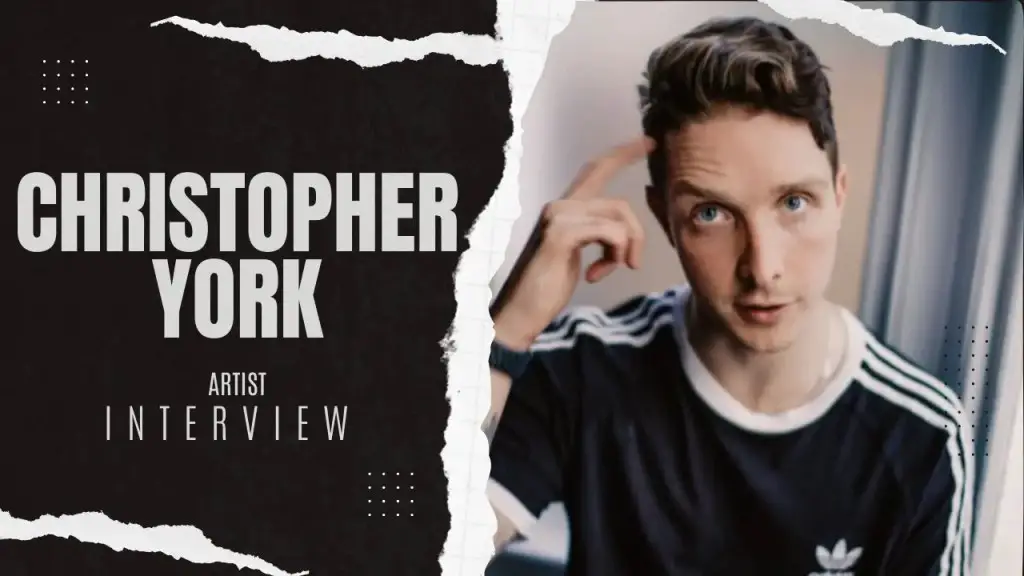
Christopher York on Andor, Baldur’s Gate III, and Final Fantasy XVI
Table of Contents
- 1. Mountview training and cross-medium acting
- 2. Experience on Andor & acting with minimal dialogue
- 3. Stage vs. screen vs. voice work
- 4. Distinct characters in Baldur’s Gate III
- 5. The role of Gav
- 6. Upbringing and work ethic
- 7. Writing and its effect on acting
- 8. Performing without a full narrative arc
- 9. Ensemble spirit across theatre, TV, and games
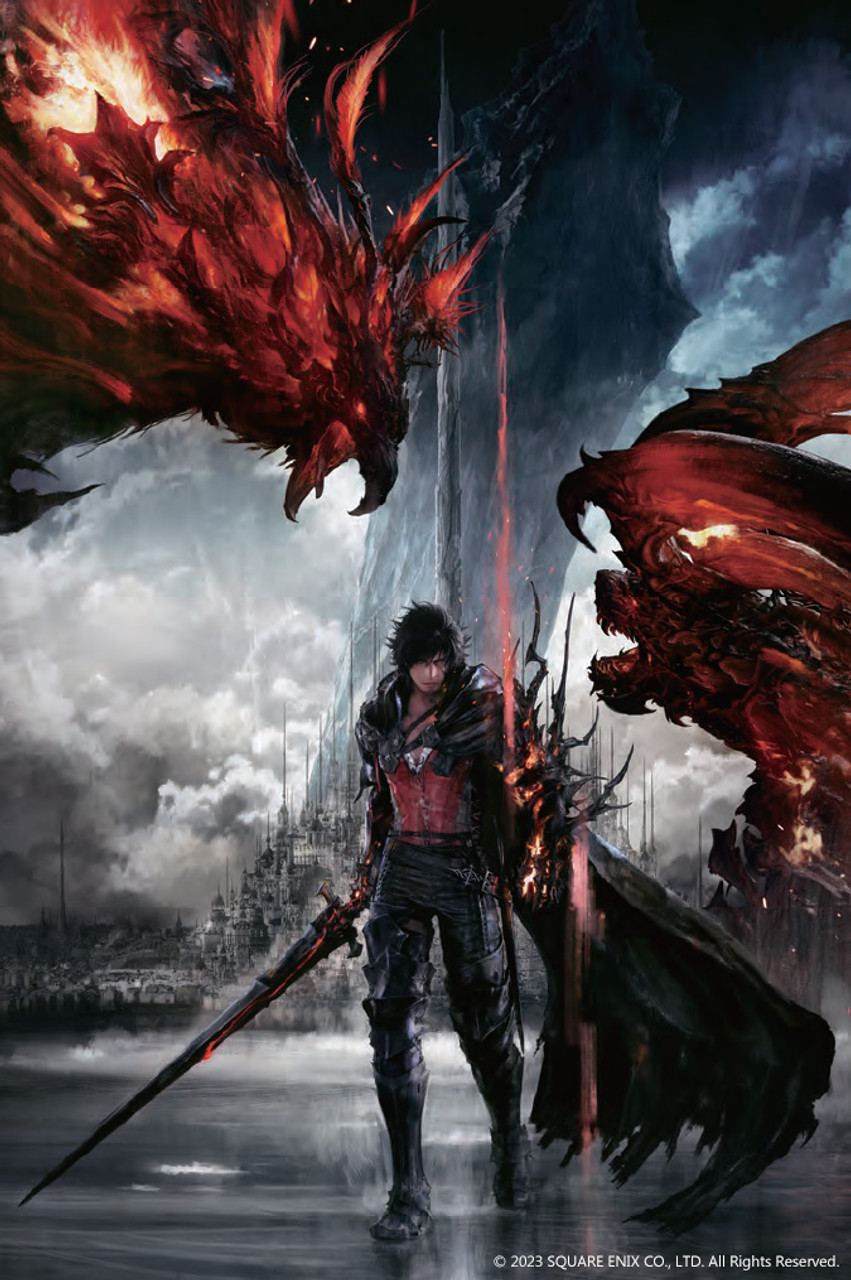
- 10. Staying consistent on long projects like FFXVI

Introduction
We corresponded with actor Christopher York about his training, his time on Andor, and performance craft across games and screen. From building distinct characters in Baldur’s Gate III to years-long sessions on Final Fantasy XVI, he shares a grounded, story-first approach informed by theatre roots, writing, and a focus on ensemble work.
Spotlight on Christopher York
Acting Philosophy
Trained at Mountview, York emphasizes bringing lived experience to every role and treating voice, screen, and stage work as the same core craft: acting in service of story.
Credits & Collaboration
Highlights include Andor, The Last Voyage of the Demeter, Baldur’s Gate III, and Final Fantasy XVI. He values ensemble spirit and continuity, especially across long production cycles.
Interview with Christopher York
More than anything, my theatre training at Mountview helped teach me to bring more of myself to roles – I was always told there was a difference between performing and acting – and I think properly getting into a character’s shoes means you need to bring a bit of your lived experience with it.
Working on Andor was like the best six weeks ever. I’m a huge Star Wars fan, so I was honestly just so chuffed to be on the set. There’s bits that we did that were left on the cutting room floor, but honestly – I was just happy to make the final cut! In terms of finding any kind of emotion with minimal dialogue, I kind of think that’s easy… just remember what the given circumstances are – if you f** up… the floor will electrocute you and you will die.* That’s easy to play!
I genuinely treat my voice work and screen work the same – it’s story-telling, it’s maybe why I don’t love the term voice actor, because it’s just acting, it’s the same, except you don’t need to learn the lines! My approach is always the same; what’s the character’s background, what has brought them to this moment in time?
Playing so many different characters in Baldur’s Gate III was a lovely challenge. For me and the directors the biggest goal was to make sure those characters felt really distinct from one another.
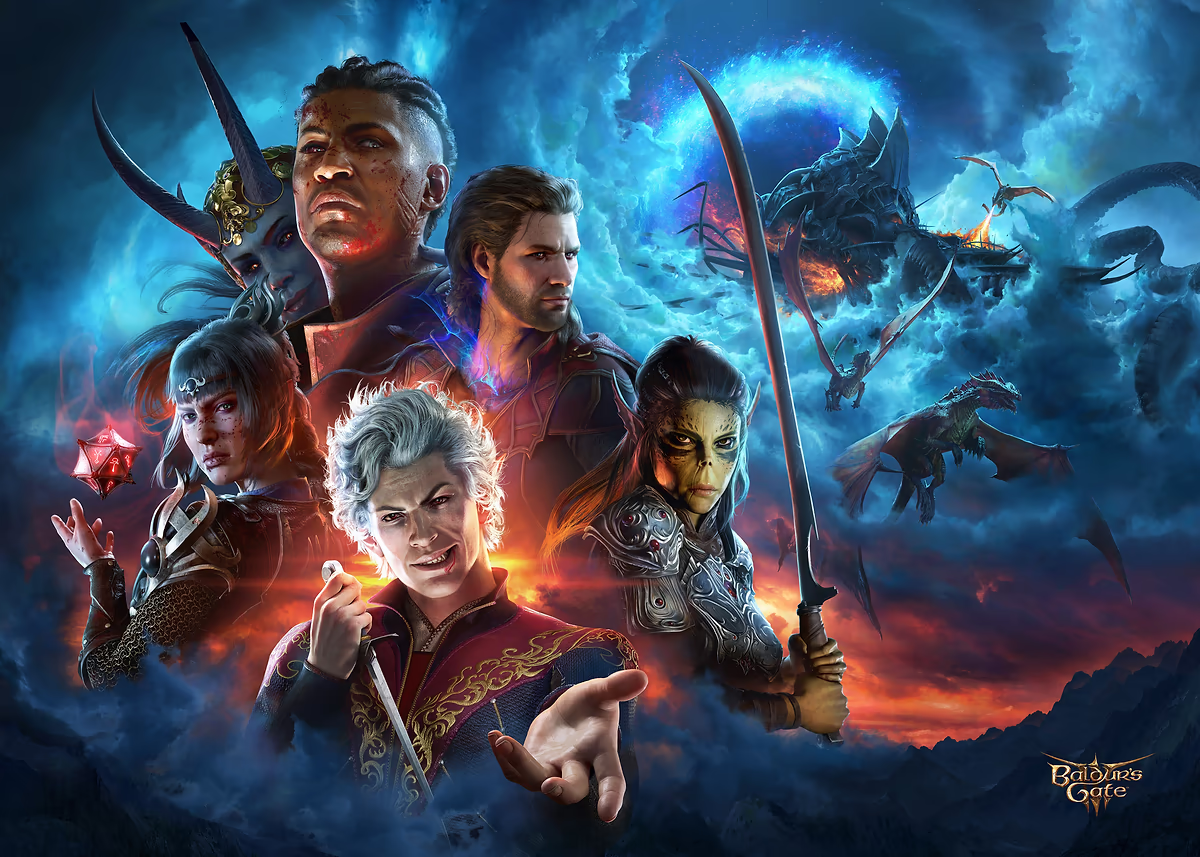
Gav is easily the most fun I’ve ever had playing a character – I love him, I love the game, I love the writers, directors, the cast, the community. Gav is probably the closest I’ve felt to a role personally.
I grew up in a very working class home, my Dad hated his job at times, my mum had four young boys to look after – they were always tired and tried to make a good life for us. More than anything I wanted to do everything in my power to make sure I had a career I loved and could make them proud. My parents never blew smoke up my arse though, they keep me super grounded and aren’t easily impressed! So humility and hard work are huge parts of my background I think.
I’ve always loved writing and I think it’s just an opportunity for me to play the kind of characters I’d never get to but on the written page. It’s all story-telling and, I’d say writing is a lot lonelier but it’s definitely made me a more empathetic and intuitive actor.
I actually think not knowing a full narrative arc can be incredibly helpful! We don’t know where the story of our life will take us, and so when you don’t know what the result of a character’s narrative may be, it means you don’t play the result, just the truth of the action.
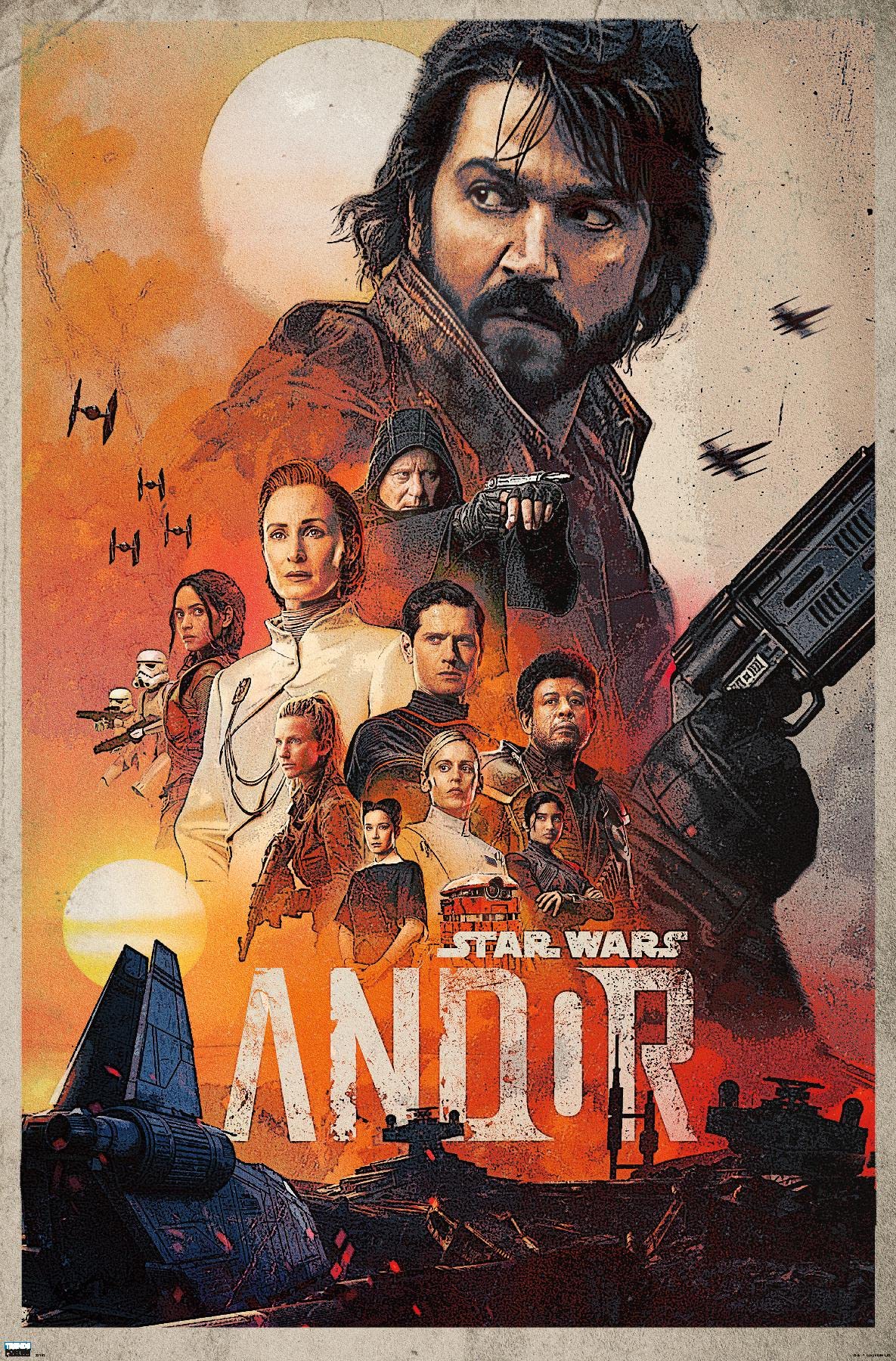
People are people at the end of the day, but what I would say is theatre companies create such a good spirit – it’s the nature of the stage – but in Andor, Last Voyage of the Demeter and Final Fantasy XVI – I do think we caught some of that ensemble spirit which I guess is why they were so good.
Honestly, the most helpful thing especially on FFXVI (because it took like four years) was having play back of previous sessions – just to keep things super consistent.
Share this:

Discover more from Tales From The Collection
Subscribe to get the latest posts sent to your email.