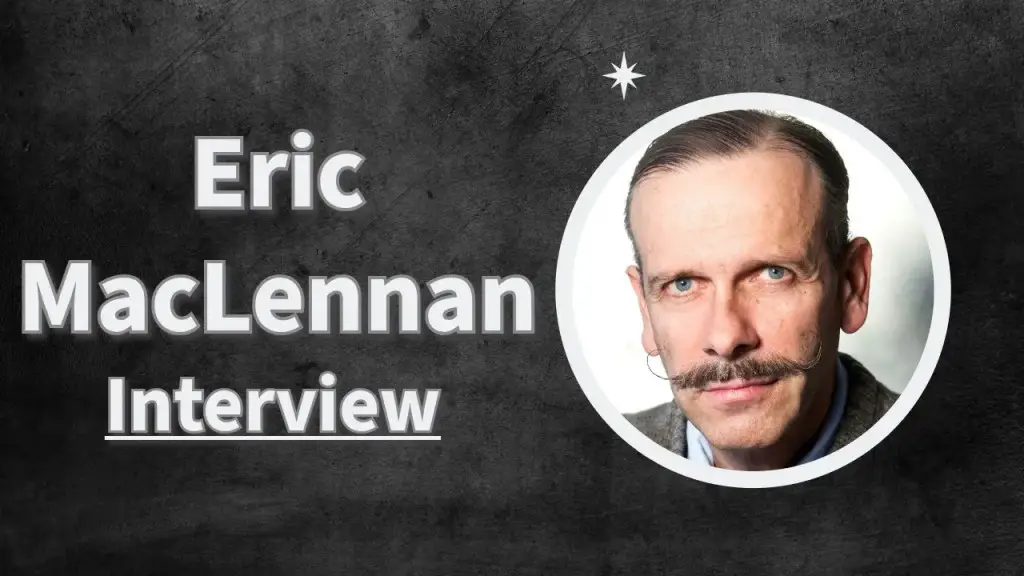
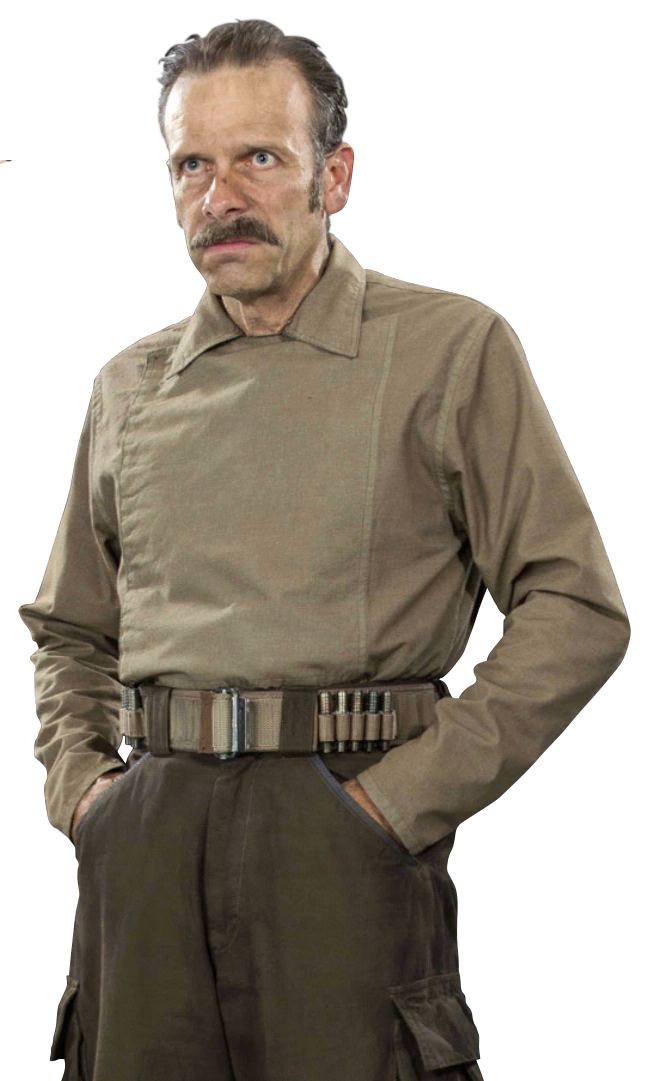
Interview with Eric MacLennan
1. Being a part of the “Star Wars” universe is a unique experience, even in a minor role. How did you come to be involved in “Rogue One: A Star Wars Story,” and what was the casting process like for you?
I have made several films that have been cast by Unity, so in this case, I was contacted and offered a role directly. So, no audition on this occasion.
2. “Rogue One” is renowned for its detailed and immersive production design. Can you share your impressions of the set and how it felt to be surrounded by the iconic elements of the “Star Wars” universe?
My scene was filmed at Cardington Hangars, huge sheds that were built for airships and are now used as film sets. It was a brilliant set populated with hundreds of extras. It was great to see the iconic X-Wing planes close up.
3. Working on a “Star Wars” film means collaborating with a talented cast and crew. What was your experience like working with director Gareth Edwards and the rest of the team on “Rogue One”?
Gareth Edwards grew up watching the original films, so brought an encyclopedic knowledge of the Star Wars world. He wanted to honor its legacy but was not intimidated to restrict his own creative imagination. The whole team was lovely. Some later scenes were added by Tony Gilroy and it was great to work with him too.
4. As a witness to the production of “Rogue One,” were there any behind-the-scenes moments or interactions that stood out to you as particularly memorable or inspiring?
Filming *Rogue One* was done in incredible secrecy. It was never referred to by name. The production worked under the code name *Los Alamos*. You never got scripts in advance, and sides were only available on the day. All actors had to leave their trailers covered with a black cloak in case someone in a small aircraft tried to get a photo of costumes in advance.
5. “Rogue One” has been praised for its darker and grittier tone compared to other “Star Wars” films. How did this atmosphere influence your experience on set and your perspective on the story being told?
Most impressive was the attention to detail, which helped give the whole world of the film a plausible reality.
6. Being part of such a beloved franchise often leaves a lasting impression. How has your involvement in “Rogue One” impacted your career and personal life, and what does being part of the “Star Wars” legacy mean to you?
I had many messages from people I hadn’t seen for years when the movie was first screened. It was lovely to hear from friends from many years ago. Much of the work I do is theatre, so it was wonderful to work on a film like this that is seen by so many people.
7. Outside of “Rogue One,” you’ve had a diverse career in film, television, and theatre. What are some of your favorite roles or projects, and how do they compare to your experience with “Star Wars”?
Favorite projects and roles are invariably the ones one is currently working on. Right now it is my work as a socially engaged artist working on a micro-town touring project I have created called (In)visible(c)ities.
8. Looking ahead, what are some of your upcoming projects or goals, and are there any specific genres or roles you hope to explore in the future?
I am looking forward to making more theater, and in my own socially engaged art practice. I enjoy combining different disciplines, particularly performing with installation and fine art.