Table of Contents
- Initial Impressions of the Star Wars Set
- Mark Hamill’s Energy and Preparation
- Biggs and Luke’s Friendship
- George Lucas’s Directing Style
- Response of the British Crew
- Details from Yavin Base and Rebel Pilot Sequences
- Set Atmosphere
- Star Wars vs Other Projects
- Unexpected Aspects of Star Wars
- Interactions with Star Wars Fans
- Star Wars and British/Canadian Actors in Hollywood
- Atmosphere on Set in 1976
Introduction
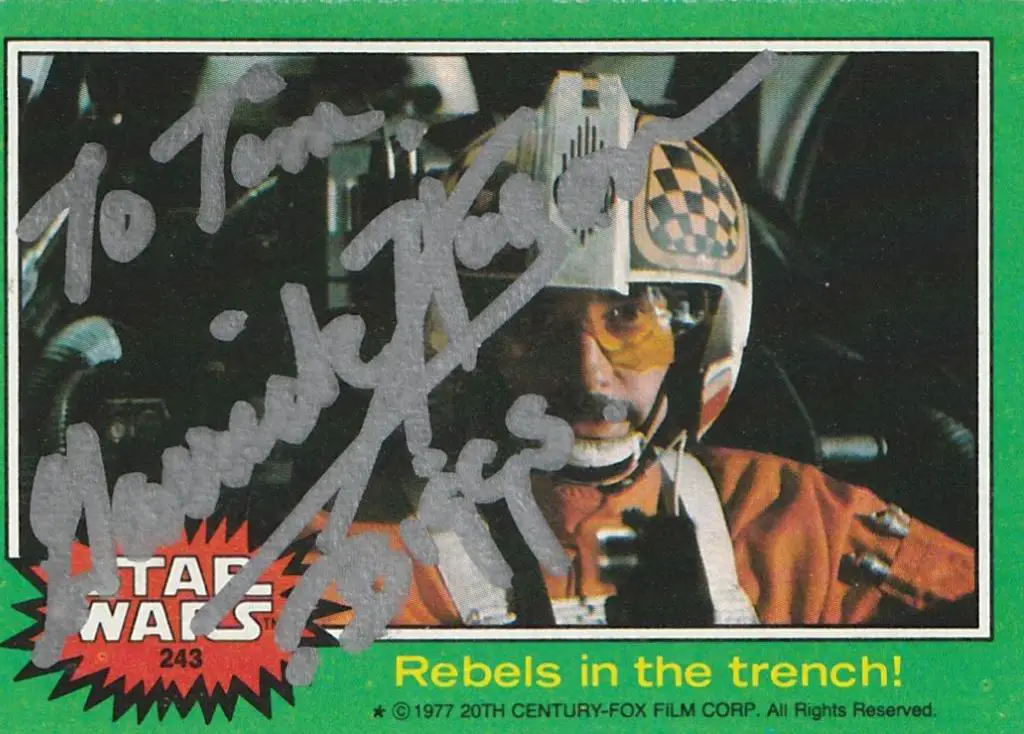
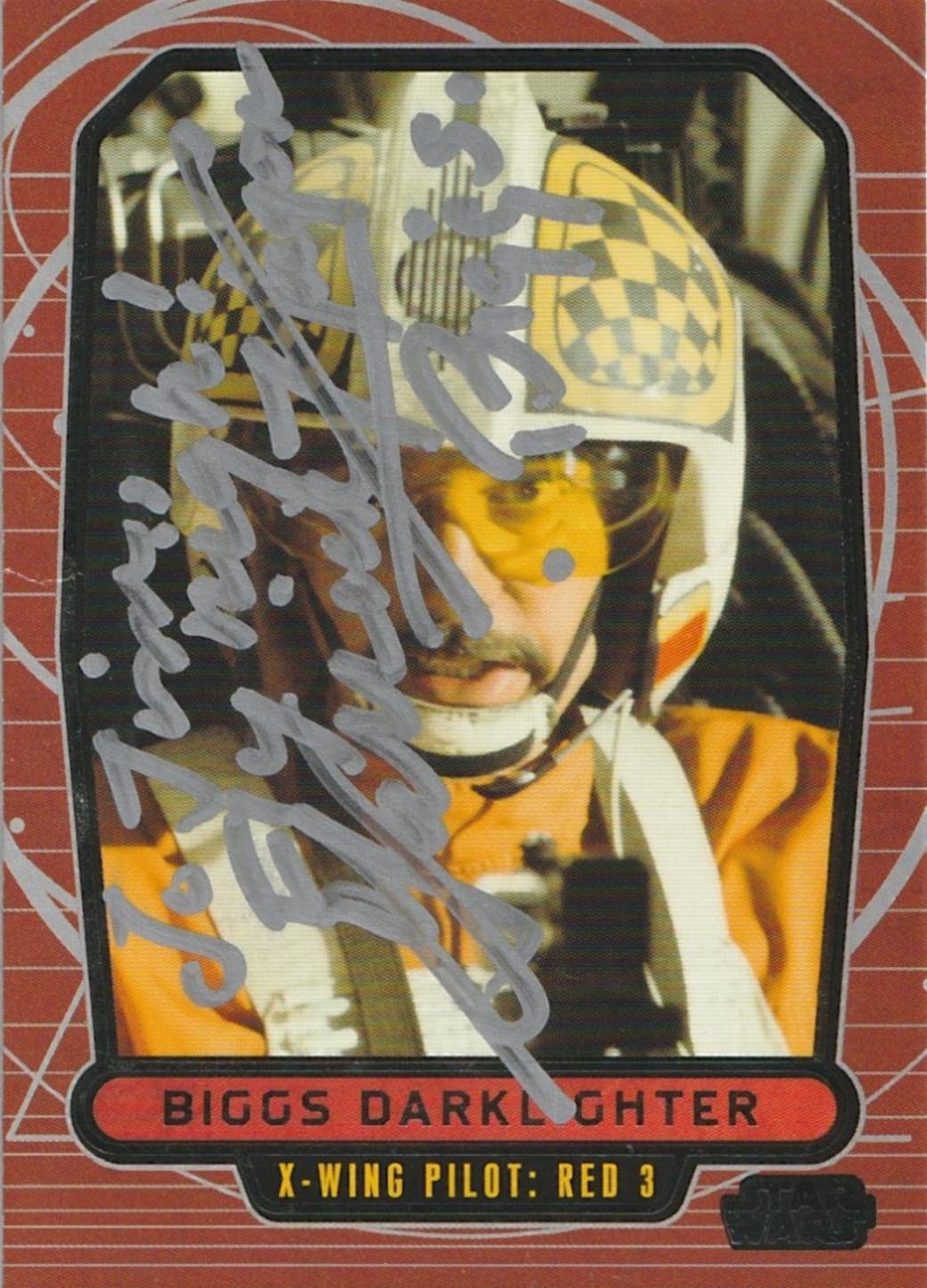
In February 2026, we had the pleasure of connecting with actor Garrick Hagon for an interview. Known for his role as Biggs Darklighter in Star Wars: A New Hope, Garrick responded to all 12 of our questions, though his answers were mostly brief—often just one word. While he may be a man of few words, we deeply appreciate the time he took to share his thoughts, which we’re excited to share with you here.
Interview
1. When you first arrived on the set of Star Wars in 1976, what were your initial impressions of the production—did it feel like an ambitious studio picture, a scrappy experiment, or something in between?
Answer: A professional, exciting adventure
2. You worked closely with Mark Hamill in the Tatooine material; how did he approach the role of Luke at that early stage, and what do you remember about his energy and preparation between takes?
Answer: Energetic, helpful and very prepared
3. The deleted Anchorhead and Tatooine scenes give Luke and Biggs a shared history that the original cut largely removed; as an actor, how did that backstory inform the way you played Biggs in the Yavin hangar and cockpit, even after you knew the earlier material might not be used?
Answer: The friendship was established quickly
4. From your vantage point on set, how would you describe George Lucas’s directing style with actors at that time, particularly on a film where the technology and visual effects were still largely theoretical?
Answer: Subtle
5. Much of Star Wars was shot with a largely British crew working at Elstree; how did that seasoned, often skeptical British film crew respond to this unusual mix of fairy tale, space opera, and cutting-edge effects work?
Answer: Skeptical
6. In terms of the physical production—the sets, models, and costumes—what details from the Yavin base and Rebel pilot sequences have stayed most vivid in your memory, and why?
Answer: The Tunisian mosque
7. How would you describe the overall atmosphere on the set of *Star Wars*—was it more relaxed, or did the ambition of the production weigh heavily on the cast and crew?
Answer: Relaxed
8. As an actor with experience across both theatre and film, how did *Star Wars* differ from other projects you had worked on, particularly in terms of scale, genre, or audience?
Answer: Different scale and genre
9. Looking back, what was the most unexpected aspect of working on *Star Wars*—something that surprised you as a performer or a participant in such a massive production?
Answer: The magnitude of it
10. You now meet fans at conventions who often know minute details about your scenes, your costume, even the markings on Biggs’ X-wing; what have those interactions taught you about how deeply *Star Wars* is studied and preserved by its audience?
Answer: Appreciative
11. With the benefit of your long career in theatre, film, and audio, how do you situate your *Star Wars* experience within the broader history of British and Canadian actors working on Hollywood productions shot in the UK during the 1970s?
Answer: Following illustrious predecessors
12. If you were addressing future historians of *Star Wars*—people who may only know the film through archives and digital restorations—what aspects of the day-to-day atmosphere on the 1976 production would you most want them to understand or not overlook?
Answer: Camaraderie
Share this:

Discover more from Tales From The Collection
Subscribe to get the latest posts sent to your email.