Table of Contents
- Adapting Pixels to Plots: The Art of Video Game Animation
- Mario Mania: Crafting the Super Show!
- “Excuse Me, Princess!”: The Legend of Zelda’s Unique Charm
- Captain N: The Game Master & The Ensemble Dilemma
- Evolution of Mario: Super Mario Bros. 3 & Super Mario World
- Creative Process, Challenges, and Lasting Legacies
- Additional Anecdotes and Final Reflections
Adapting Pixels to Plots: The Art of Video Game Animation
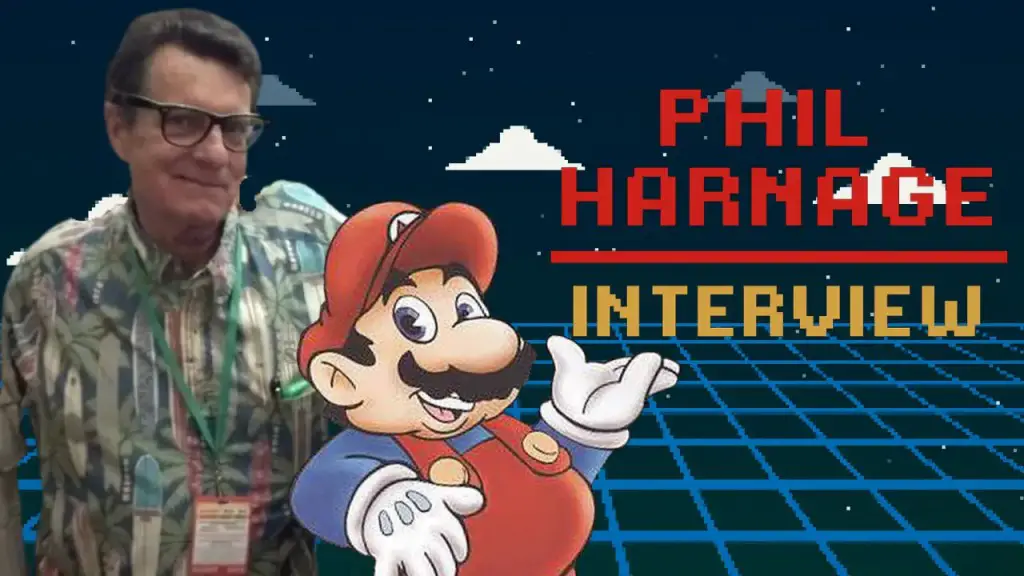
In the late 1980s, video games were largely defined by their gameplay mechanics rather than intricate narratives. This presented a unique challenge for writers like Phil Harnage tasked with transforming pixelated worlds into animated series. The burning question for many fans has always been: did the writers play the games?
“Now I’ve been asked over and over again, did you play the video games? And my answer is resounding, no. Haha, I don’t do that.”
Phil admitted he didn’t play the games himself. Instead, the team relied on a more direct form of immersion. “Luckily, the producer, John Bruce, was an active player,” Phil explained. “And so he would take me and, some of the writers and set us down in front of a monitor while he went through several levels of the game.” This hands-on demonstration was crucial for gathering inspiration, allowing them to absorb visual cues, sound effects, and various in-game elements like “Bob-ombs” and “fireflowers,” which could spark ideas for episodes.
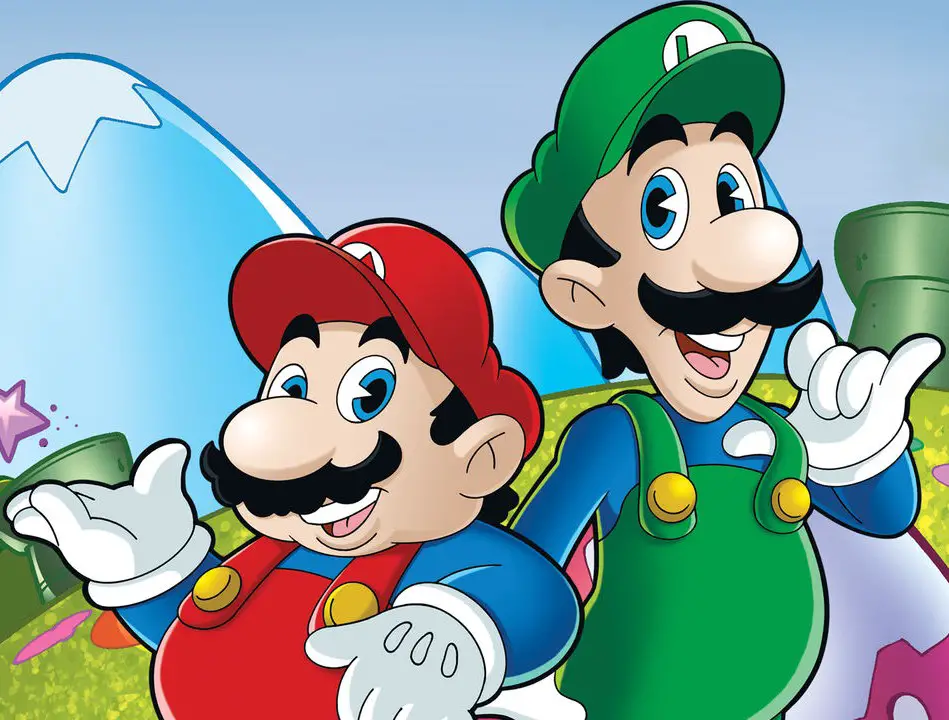
The core challenge was translating a game’s objective—often simply “get from level 1 to level whatever”—into a compelling storyline. Phil noted that foundational narrative documents from game developers were nonexistent for their early adaptations. Nintendo didn’t have any sort of Bible equivalent of their own that they provided DiC with. This absence of a pre-existing lore allowed them significant creative latitude. Phil humorously summarized the situation:
“They actually trusted us far more than they should have all things considered. But, they did what they do and we did what we do.”
This high degree of creative freedom extended to DiC’s relationships with rival game companies. Despite Nintendo and Sega being fierce competitors in the console market, Phil stated that DiC working on both Mario and Sonic shows “never became an issue.” He believed both companies were confident in DiC’s ability to translate their games into stories, with their primary concerns revolving around “the look of the characters and what the characters were actually doing, story wise.”
The episodic nature of these early game adaptations was also a deliberate choice. Overarching story arcs, common in later animated series, were largely avoided due to the unpredictable nature of television broadcasting. Phil explained, “It’s very hard to do an overarching storyline because… as a production company you cannot ensure that these shows will be shown in order even, or that one won’t be preempted.” This meant each episode needed to stand alone, ensuring that viewers could drop in at any point without missing crucial plot details. The goal was to create consistent characters within familiar worlds, allowing for standalone adventures that viewers could enjoy regardless of broadcast order.
Mario Mania: Crafting the Super Show!
The success of Nintendo’s flagship franchise, Super Mario Bros., was undeniable, and DiC Entertainment quickly capitalized on its immense popularity. This led to a unique scenario: not one, but two—and eventually even three—animated series based on the Italian plumbers.
“And so when they got the franchise from Nintendo, we had to come up with not only one show but two because it was such a popular franchise that they decided they could do a one show for network [ The Adventures of Super Mario Bros. 3], which would be a 13 episode, more serious show. That was the network show. And then I got to do the fun one which was the just sheer comedy.”
The Adventures of Super Mario Bros. 3 was designed to be more serious, while Phil was tasked with the “fun one,” the comedic syndicated series known to millions as The Super Mario Bros. Super Show! DiC’s prior success with direct-to-syndication hits like Inspector Gadget had set the stage for this ambitious dual‑project. Industry convention held that a show needed around 65 half‑hour episodes to qualify for weekday syndication — enough for 13 weeks of daily broadcasts. In the case of Super Show, that meant 52 Mario segments (26 unique episodes aired twice weekly) plus 13 Zelda segments, totaling 65. By fully financing production upfront for syndication, DiC retained both ownership and creative control while fitting neatly within that format.
Classic Video Game Cartoons on DVD
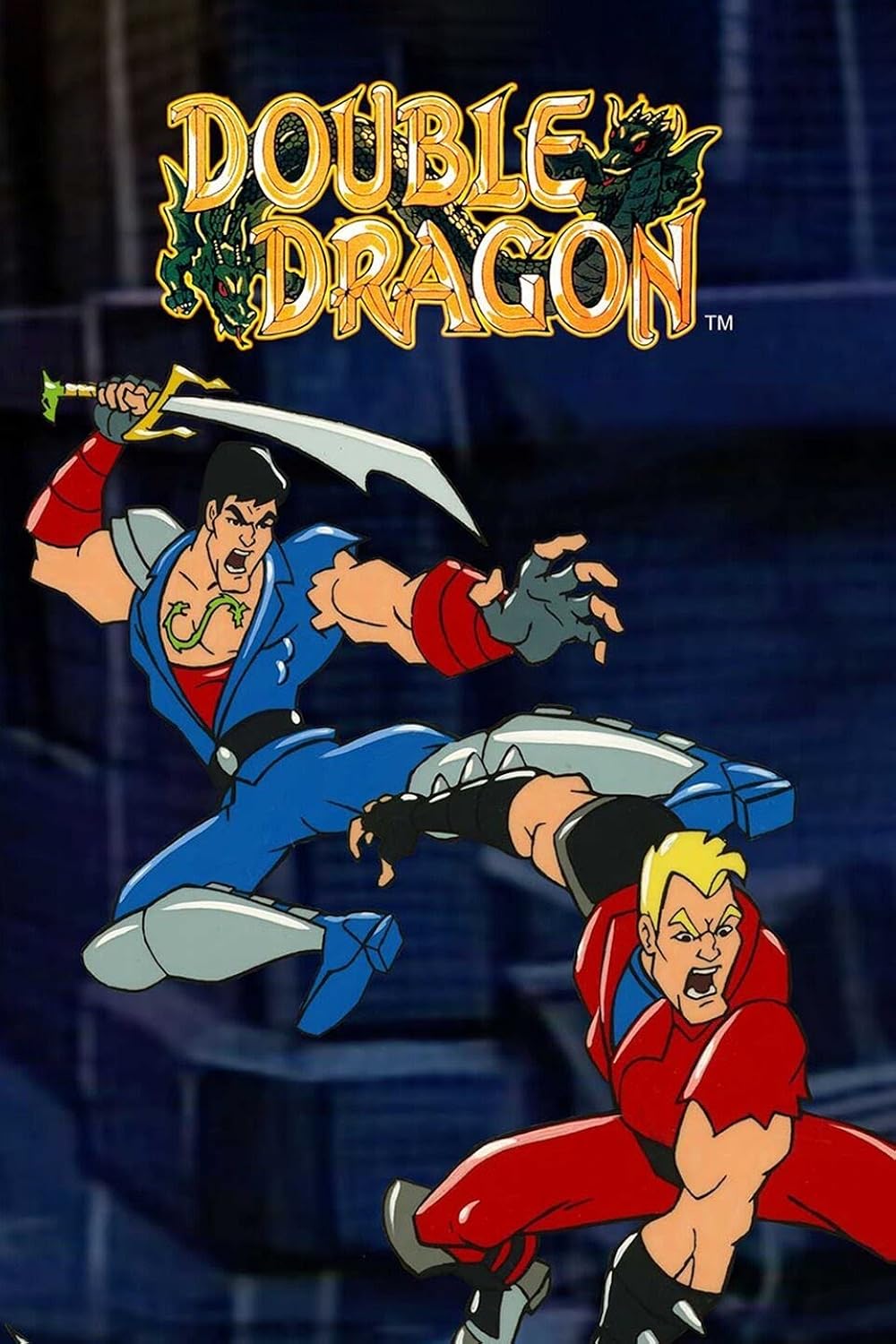
Double Dragon – The Animated Series
Martial arts and family drama collide as Billy and Jimmy Lee, raised on opposite sides of justice, battle for The City’s fate. Includes 9+ hours of retro cartoon action based on the iconic SEGA game.
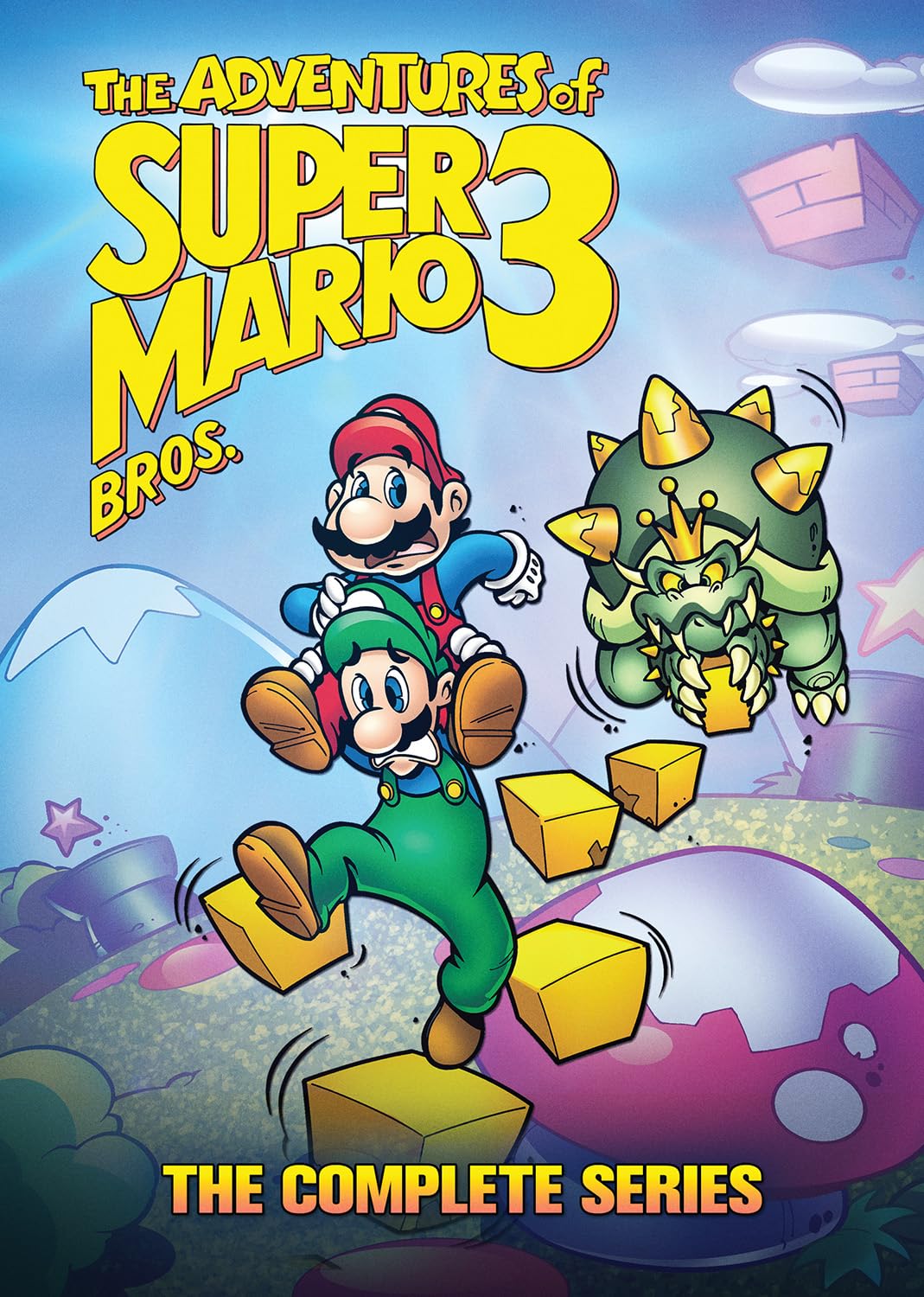
Super Mario Bros. 3 – The Complete Series
The follow-up to The Super Show, this animated series brings the worlds and enemies of the beloved NES classic to life. Mario and Luigi face off against the Koopa Kids in 26 fast-paced episodes full of warp pipes and power-ups.
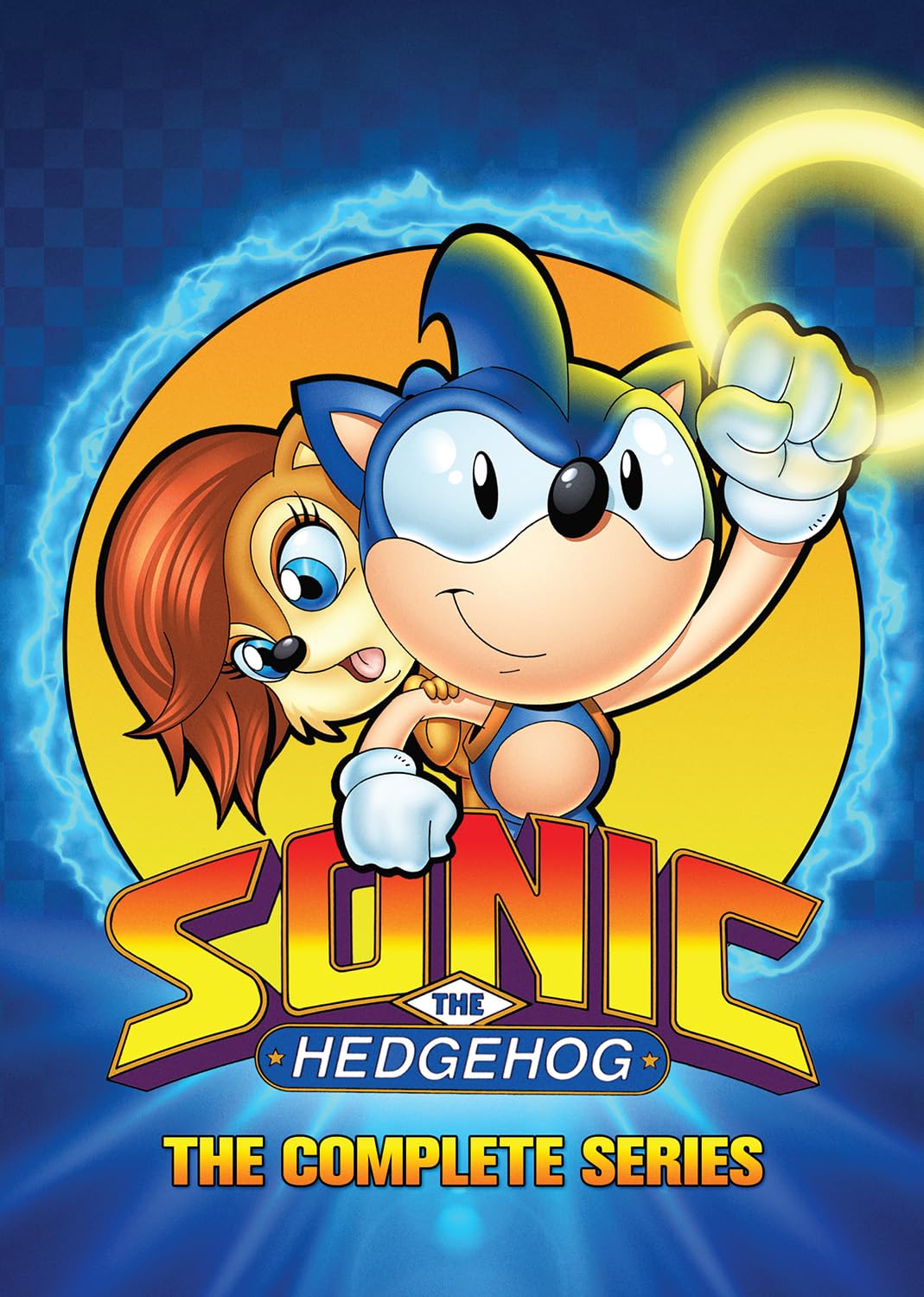
Sonic the Hedgehog – Complete Animated Series
Sonic and Tails zip across Mobius to stop the evil Dr. Robotnik in this fan-favorite series voiced by Jaleel White. All episodes in one set—fast-paced, funny, and full of 90s flair.
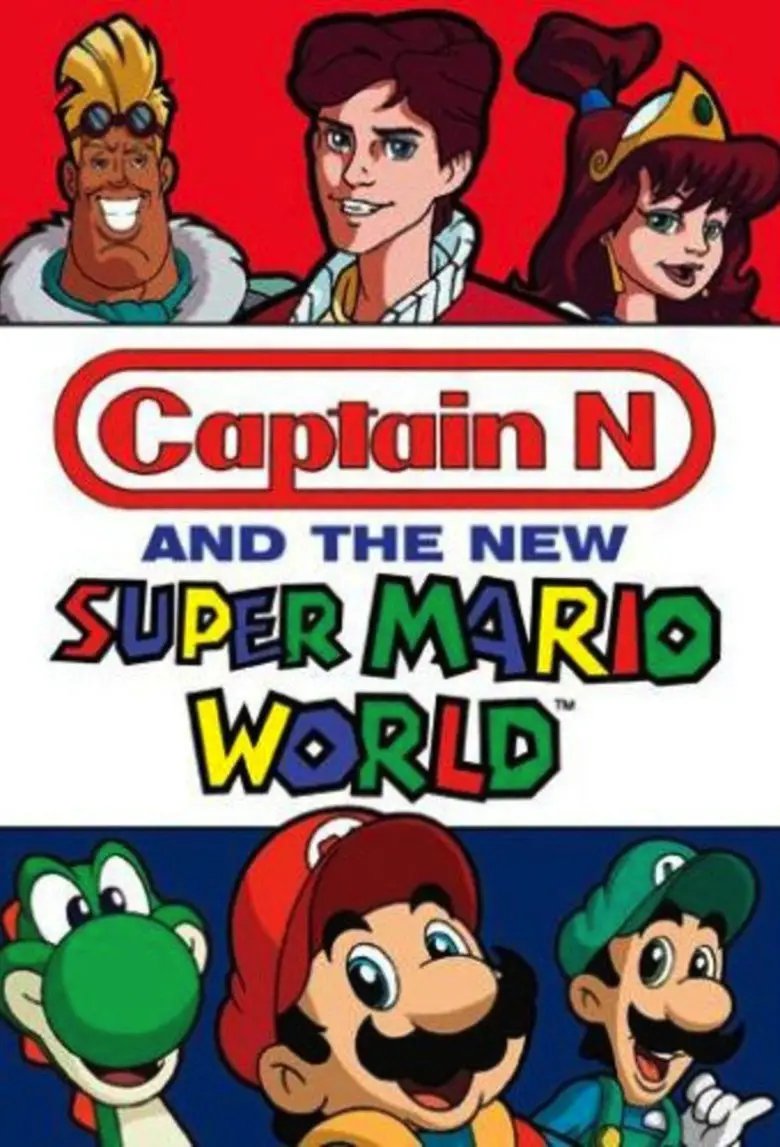
Captain N: The Game Master & The New Super Mario World
This set features the complete Captain N series along with The New Super Mario World, where Mario and Luigi team up with Yoshi for prehistoric misadventures. It’s a nostalgic combo pack spotlighting two of Nintendo’s most memorable Saturday morning cartoons.
Writing the Show Bible: Defining a Goofy Universe
Phil Harnage’s role in the inception of The Super Mario Bros. Super Show! was foundational. He was responsible for crafting the show’s “Bible,” the essential guide that set the creative baseline for the entire series.
“But I had the task of basically writing the show Bible. A Bible is just the baseline for how everything looks. And so it’s basically a showrunner document so that if you give that Bible to any experience writer, they would be able to read it and then come up with ideas for the show and know the characters and, be able to write an episode.”
This was particularly challenging given the minimal pre-existing lore for characters like Mario and Luigi. There wasn’t much backstory on Mario, or any video game at the time. They were just plumbers from Brooklyn who somehow ended up in a different world. Taking full advantage of that openness, Phil’s team embraced the creative freedom, prioritizing immediate comedic situations over intricate continuity. “We didn’t care much about that,” he stated. “We were just putting them in situations where they could be themselves.”
Satire, Standalone Adventures, and “Count Koopula”
The animated segments of The Super Mario Bros. Super Show! thrived on humor, parody, and standalone narratives. Mario, Luigi, Princess Toadstool, Toad, and King Koopa (AKA Bowser) were placed in wildly diverse settings and time periods, often serving as comedic takes on classic movies and fairy tales. Phil fondly recalled one such episode:
“I wrote the one where Count Koopula was a spaghetti sucking vampire. And that was, we really like that one. And you could use all the conventions from the original film and, they would just be players in a satire of the story. It was great, and we were able to really run with that.”
The Infamous Live-Action Wraparounds
A distinctive, and at times polarizing, element of The Super Mario Bros. Super Show! was its live-action wraparounds featuring Captain Lou Albano as Mario and Danny Wells as Luigi. These segments often included comedic skits and, famously, rap songs. Phil recalled how those segments were initially received:
“It was a challenge to design that from the beginning because they wanted to have live action raps and they were pretty much universally hated.”
Despite initial criticisms, the show’s iconic rap made a tongue-in-cheek return in the 2023 Super Mario Bros. Movie. Reimagined as a jingle for “Super Mario Bros. Plumbing,” it’s performed by plumber brothers Mario and Luigi in a nod to nostalgic fans. Phil clarified that he “just did the animated episodes… I did all the Mario Brothers shows,” while the live-action segments were written by union writers—live-action requiring a different guild and skill set than animation.
The original “Super Mario Bros. Super Show!” rap reimagined as a plumbing commercial in The Super Mario Bros. Movie (2023).
“Excuse Me, Princess!”: The Legend of Zelda’s Unique Charm
Following the massive success of the Super Mario Bros. Super Show!, Nintendo looked to expand its animated empire, and the next logical step was another one of its burgeoning hit franchises: The Legend of Zelda. DiC opted for a unique broadcast schedule, dedicating one day a week to Link’s adventures while Mario commanded the other four.
“And then Nintendo really like Legend of Zelda, of course, and that was popular, and so he decided maybe, we’ll do four days a week, we’ll do the Mario’s and one day a week we’ll do, legend of Zelda.”
Phil Harnage expressed his enthusiasm for the project, stating, “I felt Legend of Zelda was a great show, and it was fun to write.” Much like with Mario, the writers had to “semi create the show” from the relatively sparse narrative of the video game itself. The creative reins for The Legend of Zelda were largely held by Phil’s colleague, Bob Forward, whom Phil described as “a good friend of mine who was really into, fantasy and SCI-fi. So the show was perfect for his sensibilities.”
The Moonlighting Influence: A Flirtatious Dynamic
One of the most memorable aspects of The Legend of Zelda animated series was the distinctive, often exasperated, relationship between Link and Princess Zelda. This dynamic wasn’t pulled from the game but rather from a popular primetime detective show of the era.
“The question was, what do you do with Legend of Zelda? Well, we decided to take a page from the show Moonlighting… it was basically partners, a woman and a guy, who had a detective agency… there was always this chemistry between them where they were always flirting with each other.”
Teaser trailer for Moonlighting (now streaming on Hulu), the acclaimed 1980s detective series starring Bruce Willis and Cybill Shepherd that inspired the tone of the Legend of Zelda cartoon.
Phil cited the on-screen chemistry between Bruce Willis and Cybill Shepherd in Moonlighting as the direct inspiration. “He was always flirting with her, and she would always say, come on, pay attention to business, we got stuff to do here,” Phil recalled. This playful, never-quite-resolved romantic tension was perfectly translated to Link’s constant pursuit of a kiss from Zelda, and her equally constant rebuffs.
“It never paid off. There was no endgame where [the Moonlighting characters] got together and rode off into the sunset, just like with Link and Zelda. Link was always flirting with her, always angling for a kiss, and she was always pushing him away a little bit. And, she wasn’t ready for that, and so we really get a lot of funny moments from that.”
Adding another layer to this comedic love-triangle was the small fairy Spryte, who “was always flirting with Link, which was fun because she was, an eighth of an inch or something.”
An End Too Soon?
Despite its unique tone and memorable character interactions—which spawned iconic catchphrases like “Excuse Me, Princess!” that have permeated pop culture— The Legend of Zelda animated series ran for only one season. Phil expressed genuine confusion and disappointment regarding its premature conclusion:
“I really like [ he Legend of Zelda ]. I wanted it to go on, but, I don’t know why they resisted that. I really don’t… I’ll never understand that cause I just thought it was one of the best things on the air back then.”
He speculated that Nintendo’s enduring focus on Mario as their primary star might have played a role in the decision not to continue the Zelda series, suggesting, “I guess, Mario has always been the star of the show for Nintendo. So, who knows if they only had to pick one? But, it makes sense if they continued on with that one.” Regardless of the reason, the show’s single season has cemented its place in the hearts of many fans, celebrated for its distinct take on the Hyrule heroes.
Captain N: The Game Master & The Ensemble Dilemma
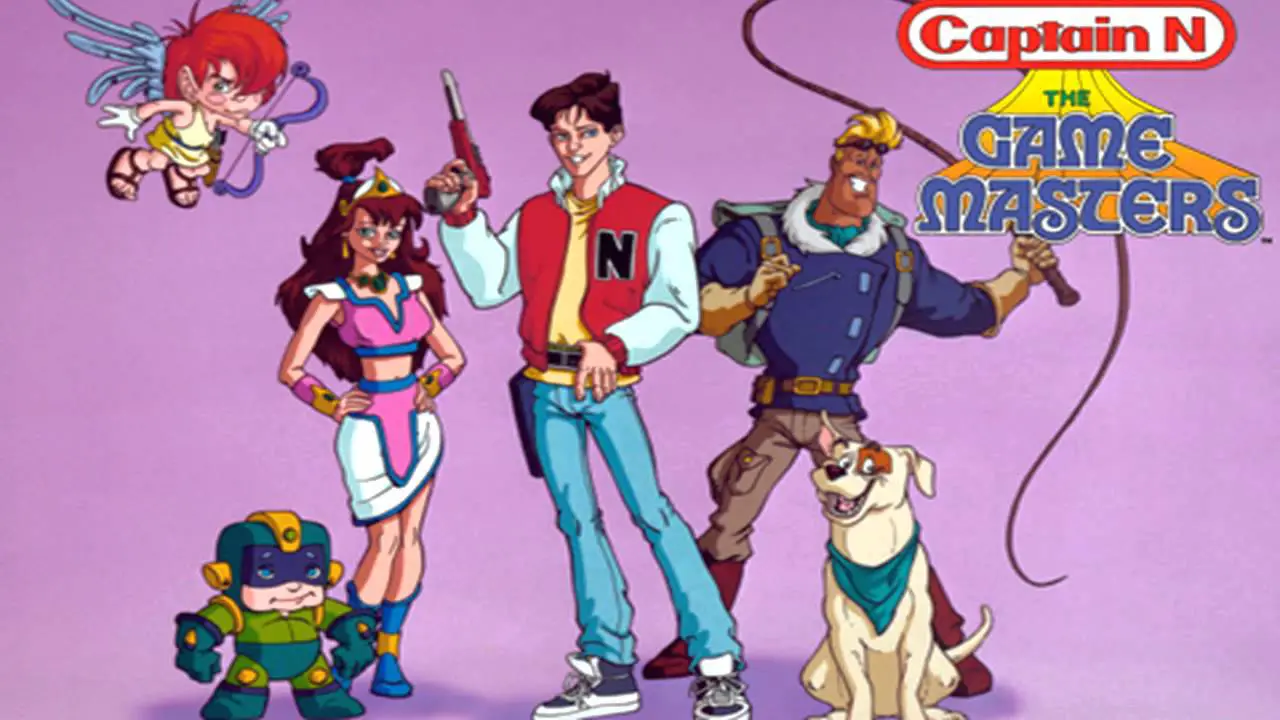
DiC Entertainment’s ambition in adapting video games extended beyond single-franchise shows. Captain N: The Game Master aimed to create a grand crossover universe, bringing together characters from various game companies under one animated banner. This ambitious premise, however, came with its own set of challenges, particularly regarding creative liberties and the show’s overall cohesion.
Creative Departures and a Shared Universe
Captain N famously featured characters like Mega Man (Capcom) and Simon Belmont (Konami’s Castlevania), alongside Nintendo’s own heroes. Phil Harnage noted that these characters often “depart pretty radically from, how they were depicted in the video games.” This was a common outcome when adapting early video game properties, as the animation studios often had to invent personality and backstory for characters who were, in their original form, largely silent sprites.
Despite the involvement of multiple game companies, Phil indicated that developers had surprisingly little direct input on the show’s narrative direction. The trust placed in DiC, particularly in company president Andy Heyward, allowed the studio significant creative freedom.
“No, any of these companies could have had more say than they did. They just, I guess, trusted… Andy because he was a person that they dealt with and Andy was very good at selling stuff.”
Phil acknowledged Heyward’s sales acumen, describing him as a “good salesman” who consistently “always delivered the show, and a lot of them were really good.” This hands-off approach from the game companies gave DiC the latitude to craft stories, even if it meant taking considerable liberties with established character designs and personalities.
The “Variety Show” Feel
While an intriguing concept, Captain N: The Game Master wasn’t Phil Harnage’s favorite project, largely due to its ensemble cast structure. He likened the show’s episodic nature to a classic television format:
“It just seemed too all over the place, and, it was like watching The Ed Sullivan Show… it’s almost like a variety show.”
Phil preferred animated series with a more “cohesive set of characters” whose actions and personalities were consistently predictable within any given situation, fostering a stronger connection for the audience. He felt that Captain N struggled with this, leading to a less satisfying viewing experience for him. He also noted that the show “did not fair that well” compared to the likes of Mario and Zelda, and that “nobody was very happy with it” internally.
There were parallels between its struggles and those of Sonic Underground, another of Phil’s video game TV shows that was not directly based on an actual game.
Evolution of Mario: Super Mario Bros. 3 & Super Mario World
Following the initial surge of The Super Mario Bros. Super Show!, DiC continued its partnership with Nintendo, producing more animated adventures for the Mushroom Kingdom’s heroes. This new wave included The Adventures of Super Mario Bros. 3 and Super Mario World, each with its own distinct production process and creative teams.
Nintendo’s Shifting Involvement
While Phil Harnage was heavily involved in the first Super Mario Bros. Super Show!, his direct role shifted for subsequent iterations. “We had Super Mario 3, which I didn’t have a whole lot to do with that,” he explained, noting that Bruce and Reed Shelley served as the story editors for that network series. Phil’s focus, however, turned to the syndicated follow-up, Super Mario World:
“Whereas I went off and did Super Mario World, which was in my mind far more fun. It was for syndication and we got to do things in there that were pretty funny, I think in retrospect…”
His work on Super Mario World allowed for a return to the kind of lighthearted, satirical approach he enjoyed, exemplified by episodes that parodied pop culture, such as the “King Scoopa Koopa,” a social commentary on fast food franchises and obesity in the United States.
The Genesis of Oogtar and Unintended Success
Super Mario World introduced new characters to the animated canon, one of the most memorable—and for some, infamous—being the caveboy Oogtar. Phil readily takes credit for the name:
“And I noticed you asked a question about Oogtar, which is interesting cause he seems to be universally hated… Well, I came up with a name. I’m happy to admit.”
The character’s creation, however, stemmed from a directive from DiC president Andy Heyward. The idea was to create a mischievous foil for Yoshi, pushing the gentle dinosaur into comical predicaments. Phil elaborated on the rationale behind Oogtar:
“Andy felt okay, we got this great character, Yoshi’s like this little kid, and Mario and Luigi have to take care of him and blah. But he felt we couldn’t make Yoshi ever do anything too bad… he thought that would be great fun if he had a little buddy who is always pushing the envelope and getting Yoshi into big trouble… So Oogtar was always gonna be the bad guy no matter what… and that was the idea to begin with.”
While Oogtar might have been designed to be an obnoxious character, Phil mused that the writers might have “took it a little too far, making him too obnoxious.” Yet, he offered a humorous perspective on characters who elicit strong negative reactions: “You know that you’ve done a successful show, if somebody in that show, or one character is hated by everybody. That’s a success.”
Accidental Catchphrases: “Mama Luigi to You!”
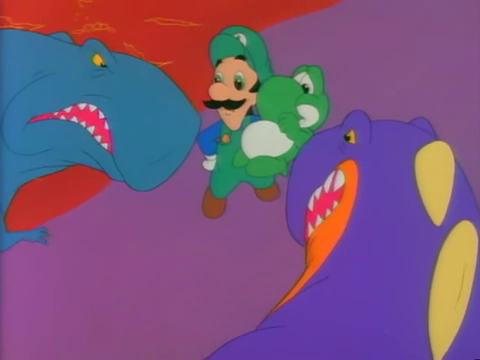
Beyond the deliberate comedic elements, some of the shows’ most enduring contributions to pop culture were entirely unintentional. Phil was surprised to learn how certain lines he wrote became widespread memes and catchphrases, long after the shows aired.
“And I think one of them lines I wrote in there, I found out years after the fact that it became a cult thing with ‘that’s Mama Luigi to you’, that just became a big catchphrase, like ‘excuse me, princess’.”
He expressed that such virality was never the goal during production. “You never sit down and think, oh, if I write this line for that character, people are gonna be saying that for years. No, you don’t think that way. You’re just writing, trying to get the stuff down and be as funny as possible.” Phil even admitted he hasn’t actively sought out many of his old shows online, only seeing the “Mama Luigi” clip because “somebody had sent that out to me.” This highlights the organic, often unpredictable, way that elements of these classic cartoons found a lasting place in the internet’s cultural lexicon.
Creative Process, Challenges, and Lasting Legacies
Phil Harnage’s lengthy career at DiC Entertainment, especially during the prolific era of video game adaptations, was marked by both creative triumphs and significant industry hurdles. Beyond the shows that made it to air, there were unproduced ideas, constant battles with network standards, and the unique challenges of a rapidly evolving animation landscape.
The Unproduced and the Controversial: Ideas Too Bold for Broadcast
Not every story Phil conceived saw the light of day. While working on Captain Planet, a show inherently designed to tackle environmental and social issues, he encountered themes deemed too controversial for television at the time.
“I wrote an episode of Captain Planet that in the first season the network refused to play it because it’s all about population control. And that’s an issue that’s very touchy because, if you talk about controlling population, you run head on into religion…”
This episode, titled “The Population Bomb” (a reference to a 1960s book), explored themes of overpopulation through an allegorical story. Phil recounted how the plot involved Wheeler shipwrecked on an island populated by talking rats facing starvation due to resource depletion. Although presented indirectly through animal characters, the subject was too radical for the network’s comfort. “It took several years before they actually played that on broadcast,” Phil recalled, noting that today, such a topic seems far less controversial.
Another unproduced concept that Phil remembered fondly was proposed by his friend and Legend of Zelda story editor, Bob Forward. It was called “BB Gun,” a private eye cartoon about a short detective who carried an oversized .45 caliber automatic. While loved by the creative team for its hard-boiled detective parody, the network swiftly rejected it. “The network, they can’t do anything with guns,” Phil stated, highlighting the strict content limitations of the era.
Navigating Standards & Practices: The Network’s Moral Compass
Working for network television meant adhering to stringent “Standards & Practices” guidelines, ensuring content was “moral, okay, pro-social.” This often meant justifying cartoons as more than just toy advertisements, even for shows like He-Man that originated as toy lines. Writers were tasked with subtly embedding moral lessons, a delicate balance to strike. Phil explains the challenge:
“The thing is, as a writer you try not to be too obvious about these things cause… you had to be very subtle with what you did. And sometimes it was not easy to be subtle enough to get past some of the critics out there.”
This oversight extended to every frame of animation, with strict rules against anything deemed offensive, particularly sexual content. Phil shared a humorous, yet indicative, anecdote about the absurd level of scrutiny:
“I mean, we had [a show with] a mermaid in it, but for some reason… somebody saw that this mermaid actually had a nipple. And so, you know, they… would write letters… ‘How dare you, present this to young and impressionable child,’ well, unless he’s using a remote and going remote frame by frame nobody would have seen it.”
Beyond content, networks also mandated Public Service Announcements (PSAs). In Sonic the Hedgehog, these took the form of “Sonic Says” segments at the end of episodes. While intended to deliver pro-social messages, they were often unpopular. “People generally hated those because they didn’t want to see Sonic, who is a rebel, tell you to look both ways before you cross the street.”
The Voice of Captain Planet: A Tom Cruise Audition?
One of the most surprising anecdotes from Phil’s career involves a very famous name attached, however briefly, to an iconic environmental hero. Phil revealed that Hollywood superstar Tom Cruise once auditioned for the voice of Captain Planet.
I asked Phil about a surprising rumor: Did Tom Cruise actually get cast as the voice actor for Captain Planet, and do those tapes still exist?
“I rather doubt it just because of when it happened… But he didn’t make a good superhero… it wasn’t a great idea to have him be Captain Planet. But, you know, listening to that first show, they just said, nope, nope, not working.”
Ultimately, a professional voice actor was brought in. Phil expressed skepticism that any recording of Cruise’s audition still exists, as production companies typically didn’t save such materials, especially from rejected takes. He suggested any such tapes would likely reside with Cookie Jar, the Canadian company that acquired DiC’s library, which itself is now part of WildBrain.
Fading Floppies: The Challenges of Archiving Early Work
For fans hoping for a treasure trove of Phil’s original scripts and production documents, the reality of late 1980s technology presents a daunting challenge. Phil explained the difficulties of preserving his early work:
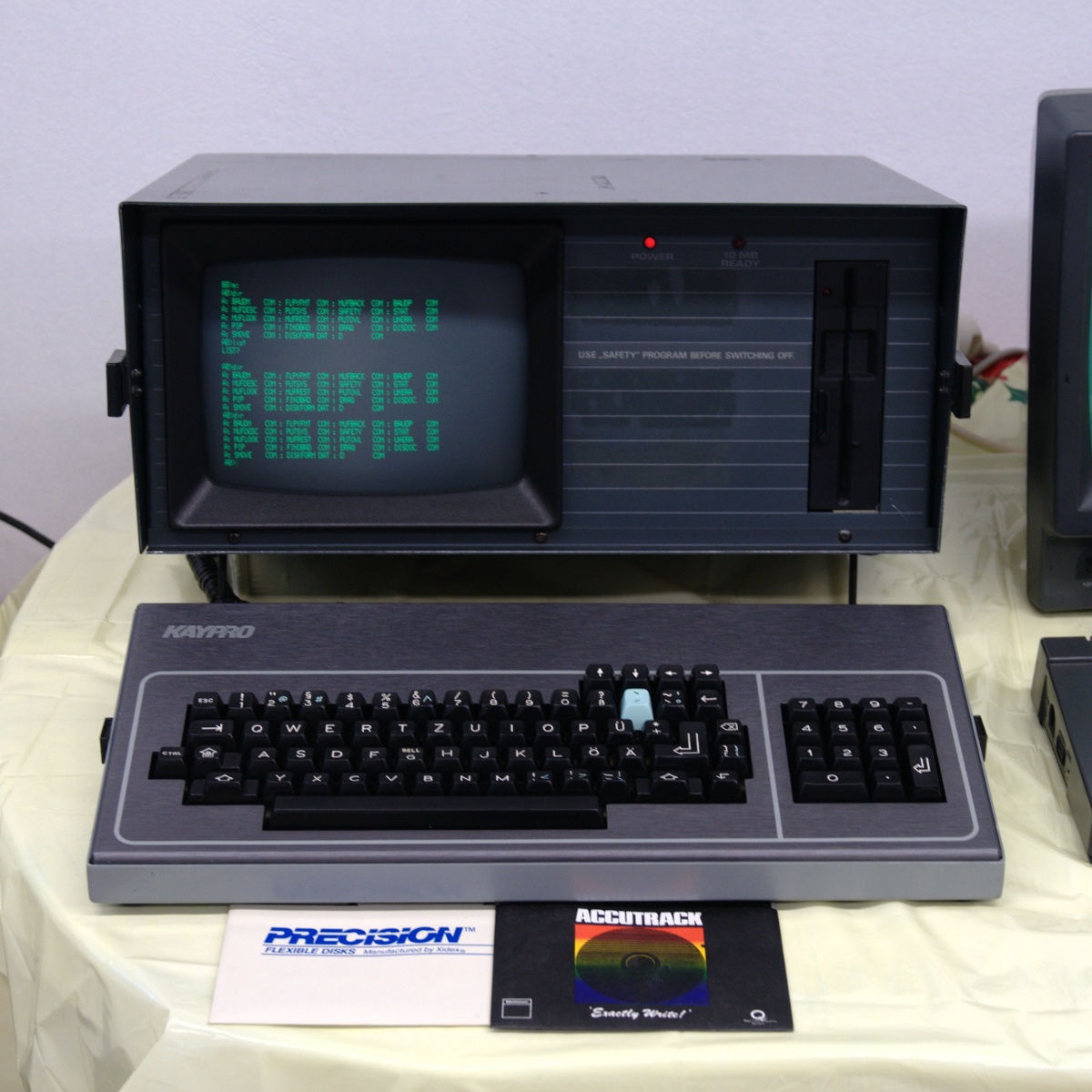
“The problem was that in the late 80s, I was using a Kaypro, which was a CP/M machine. It was considered a portable computer, but it weighed 40 pounds and used floppy discs. It took an entire floppy disc to hold a script and they were a terrible medium because they wore out and were easily damaged.”
Personal Favorites: Double Dragon and Sherlock Holmes in the 22nd Century
Among the many series Phil contributed to, a couple stand out as personal favorites. Despite not playing the video game, he held a particular fondness for the Double Dragon animated series, which boiled the game’s premise down to a simple “good dojo vs bad dojo.”
“What was fun about it was that there are a lot of little philosophical phrases we made up to sound as if they were real. You know, Miyagi kind of sayings, like ‘wise man make enemy work harder.’ You know, stupid stuff, but it worked for the show. And, we were pretty happy. I wish we had done more…”
Another highlight was Sherlock Holmes in the 22nd Century, a show that blended classic mystery with futuristic settings. Phil appreciated its creative freedom, which allowed for inventive scenarios like “The Hound of the Baskervilles” being set on the moon. Beyond its narrative ingenuity, the series was also technically groundbreaking:
“It was the first show to combine CGI and traditional animation… It actually got an Emmy nomination too, which is nice.”
The Shifting Sands of the Animation Industry
Phil Harnage’s career spans a transformative period in animation, particularly the fundamental shift from in-house production to overseas outsourcing. He witnessed the gradual move of animation work from Burbank studios, where artists might earn “$12 an hour” (a respectable wage at the time), to countries like Japan, Korea, and Eastern Europe, where labor was significantly cheaper.
“Basically because you might pay a guy in Burbank, like at the time, I think they were making like $12 an hour… But in India, for example, an artist would make 12 cents an hour.”
He notes that Disney remains one of the few companies that still does its own in-house animation, primarily for feature films. This cost-efficiency fundamentally reshaped the industry. Looking at the current landscape, Phil also commented on the new avenues for aspiring animators and writers, a stark contrast to his own entry into the field:
“The only to reall way to break in now is… through YouTube and TikTok and Instagram… an animator can create their own cartoons on their own computer, and there’s so many programs out there, hell, you can have AI make it for you… You don’t need a studio anymore.”
This reflects a profound change from a time when aspiring writers had to “call up Filmation” with a manager’s guidance, underscoring the democratization of content creation in the digital age.
Additional Anecdotes and Final Reflections
Phil Harnage’s time at DiC Entertainment was filled with a diverse array of projects, some hitting iconic status, others fading into obscurity, and some that never even made it to air. His career offers a fascinating glimpse into the creative pressures and unexpected turns of the animation industry.
A Look at Sonic Underground and Other DiC Creations
Beyond the Mario and Zelda universe, Phil contributed to many other shows, including Sonic Underground. This series was an ambitious attempt to give Sonic a deeper, serialized narrative, influenced by DiC president Andy Heyward’s reading of Joseph Campbell’s The Hero’s Journey.”
“Andy had a certain genius which was for sniffing out concepts, toys, games, or books that would make good animated shows… He came up with the idea for Sonic Underground because he had been reading “The Hero’s Journey” and thought, what if Sonic has a brother and sister? And there had been allusions to Sonic’s sister before, but not really to a brother. And so what if they had a band? And what if they traveled around giving concerts and, having adventures in each place where they went? But they had this overarching goal which was to find their mother.”
The show also leaned into the boy band craze of the 90s, with Sonic, Manic, and Sonia forming a musical trio. However, Phil noted that the series “didn’t really become that popular,” speculating it was “because it wasn’t based on a video game at the time.” Despite the creative effort, the show struggled to find an audience without a direct game tie-in.
DiC was always seeking the next big hit, constantly developing new concepts. This pursuit occasionally led to famous missed opportunities. Phil recalled one such instance:
“Andy, the company president, he actually is famous for turning down Teenage Mutant Ninja Turtles.”
A move that, in hindsight, was a significant misstep, given the franchise’s global phenomenon status.
Phil also reflected on some of DiC’s less successful ventures. He pointed to Ring Raiders as having “worst animation ever” and felt The Wacky World of Tex Avery failed because “kids had never heard of Tex Avery” and didn’t connect with the character. He viewed the show as more of an animator’s animation with lost of elements that the average viewer wouldn’t necessarily appreciate. Even productions based on real-world phenomena, like the New Kids on the Block cartoon, suffered from timing: “by the time the cartoon came along, they already had kind of disappeared off scene and were a flash in the pan.” However, some shows gained unexpected cult followings, like Street Sharks, which Phil worked on: “There was the Street Sharks toy line which we had to make a show out of. That was fun, we had all the shark puns like jawsome”
When Games Weren’t Games: Unexpected Adaptations
The definition of “video game property” for adaptation was broad at DiC. Phil mentioned one particularly unusual case: Horseland. “That also came from a video game, which actually wasn’t even a real video game. Horseland was a website where you could buy, sell and stable horses.” This demonstrated the studio’s willingness to adapt popular online concepts, not just traditional console games.
The Art of Americanization: Dubbing Anime for a New Audience
DiC’s work wasn’t limited to original Western animation; they also played a significant role in bringing Japanese anime to American audiences, notably with Sailor Moon. This involved re-editing the Japanese footage and dubbing it into English, a process Phil found challenging due to strict synchronization requirements:
“Because we use their animation, we already had the story, but we had to take it from the Japanese story, translate that into English, and then figure out the dialogue, how to make it fit [the lip flaps] somewhat, because it’s really hard to make it fit exactly to the characters’ mouth movements and we couldn’t change any of that. So if a character is saying something in 10 syllables in Japanese, then we had to say that in 10 syllables in English as well.”
The Americanization also involved navigating different cultural standards, particularly regarding censorship. Phil mentioned instances in the original Japanese Sailor Moon where characters might inadvertently “flash their underwear” during transformations. He confirmed that “in the localization, we had to cut it out because it was not acceptable at that time even though it goes so fast. And well, it doesn’t bother me, and it wouldn’t bother me for my daughter to see it, but some people, it would.” These adjustments were made to avoid complaints from parent groups and network censors.
A Lasting Impact and Fond Memories
Reflecting on his extensive career, Phil expressed deep fulfillment in his work, even if it meant navigating demanding bosses like Andy Heyward, whom he affectionately described as a “lovable jerk” who was “very good at selling stuff.” His journey into animation wasn’t straightforward; he initially struggled to break into writing in Los Angeles. It was his wife’s suggestion that ultimately pointed him towards cartoons:
“At one point she said, well, you know, you’ve been writng for a couple of years now and not making any money. Maybe you could write cartoons or something. I thought, oh, all right.”
This pivotal advice led to a career that defined a generation. Phil is well aware of how fans remember and dissect his work today, even if it includes playful critiques:
“I found out that there’s this huge audience out there that analyzes each episode and they comment on forums like “why did the writer do this? This is stupid.” The answer is because the studio told me to!”
Despite the occasional critical analysis by fans, Phil clearly enjoys discussing his past work. “I, as you can tell, enjoy talking about all this because it’s, you know, fond memories for the most part,” he shared. His contributions to shows like The Super Mario Bros. Super Show! and The Legend of Zelda, born from a unique era of game adaptations, continue to resonate deeply with fans, cementing his legacy as a key figure in shaping the animated landscape of the late 20th century.
Share this:

Discover more from Tales From The Collection
Subscribe to get the latest posts sent to your email.