Jimmy Smith Contact Info Quick Reference
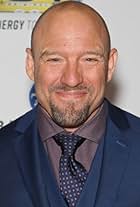
Profession: Actor
DOB: 08 Dec 1925
Primary Address:
Jimmy Smith
Avery Sisters Entertainment
1775 Parker Road SE
Suite C210
Conyers, GA 30094-6676
USA
Secondary Address:
Avery Sisters Entertainment
(Talent Agency)
1775 Parker Road SE
Suite C210
Conyers, GA 30094-6676
USA
Biography:
James Oscar Smith (December 8, 1928 – February 8, 2005) was an American jazz musician whose albums often appeared on Billboard magazine charts. He helped popularize the Hammond B-3 organ, creating a link between jazz and 1960s soul music.
In 2005, Smith was awarded the NEA Jazz Masters Award from the National Endowment for the Arts, the highest honor that America bestows upon jazz musicians.
There is confusion about Smith’s birth year, with sources citing either 1925 or 1928. Born James Oscar Smith in Norristown, Pennsylvania, he joined his father doing a song-and-dance routine in clubs at the age of six. He began teaching himself to play the piano. When he was nine, Smith won a Philadelphia radio talent contest as a boogie-woogie pianist. After a period in the U.S. Navy, he began furthering his musical education in 1948, with a year at Royal Hamilton College of Music, then the Leo Ornstein School of Music in Philadelphia in 1949. He began exploring the Hammond organ in 1951. From 1951 to 1954, he played piano, then organ in Philly R&B bands like Don Gardner and the Sonotones. He switched to organ permanently in 1954 after hearing Wild Bill Davis.
He purchased his first Hammond organ, rented a warehouse to practice in and emerged after little more than a year. Upon hearing him playing in a Philadelphia club, Blue Note’s Alfred Lion immediately signed him to the label and his second album, The Champ, quickly established Smith as a new star on the jazz scene. He was a prolific recording artist and, as a leader, dubbed The Incredible Jimmy Smith, he recorded around forty sessions for Blue Note in just eight years beginning in 1956. Albums from this period include The Sermon!, House Party, Home Cooking’, Midnight Special, Back at the Chicken Shack and Prayer Meetin’.
Smith signed to the Verve label in 1962. His first album, Bashin’, sold well and for the first time Smith worked with a big band, led by Oliver Nelson. Further big band collaborations followed with composer/arranger Lalo Schifrin for The Cat and guitarist Wes Montgomery, with whom he recorded two albums: The Dynamic Duo and Further Adventures of Jimmy and Wes. Other albums from this period include Blue Bash! and Organ Grinder Swing with Kenny Burrell, The Boss with George Benson, Who’s Afraid of Virginia Woolf?, Got My Mojo Working, and Hoochie Coochie Man.
During the 1950s and 1960s, Smith almost always performed live, in a trio, consisting of organ, guitar and drums. The Jimmy Smith Trio performed “When Johnny Comes Marching Home” and “The Sermon” in the film Get Yourself a College Girl (1964).
In the 1970s, Smith opened his own supper club in the North Hollywood neighborhood of Los Angeles, California, at 12910 Victory Boulevard and played there regularly with Kenny Dixon on drums, Herman Riley and John F. Phillips on saxophone; also included in the band was harmonica/flute player Stanley Behrens. The 1972 album Root Down, considered a seminal influence on later generations of funk and hip-hop musicians, was recorded live at the club, albeit with a different group of backing musicians. …
Source: Article “Jimmy Smith (musician)” from Wikipedia in English, licensed under CC-BY-SA 3.0.
Featured Streamily Autographs


How to Send Fan Mail to Jimmy Smith
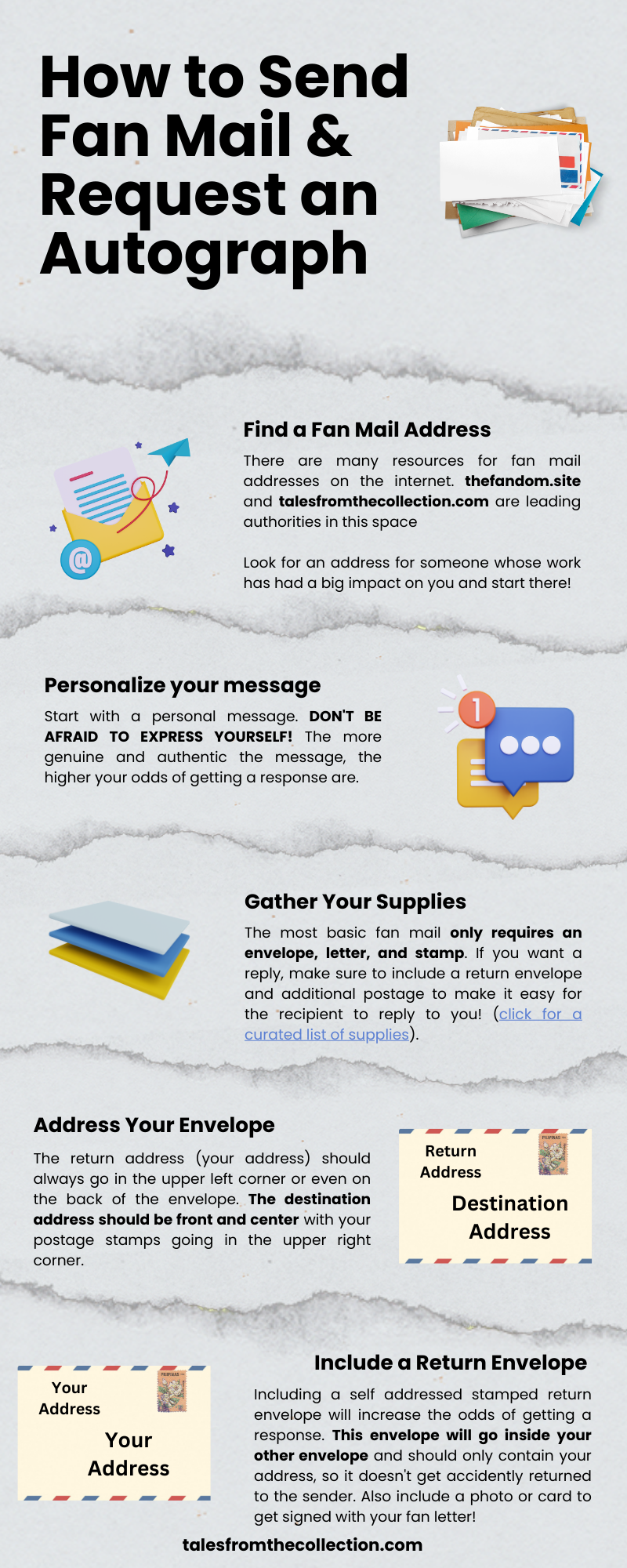
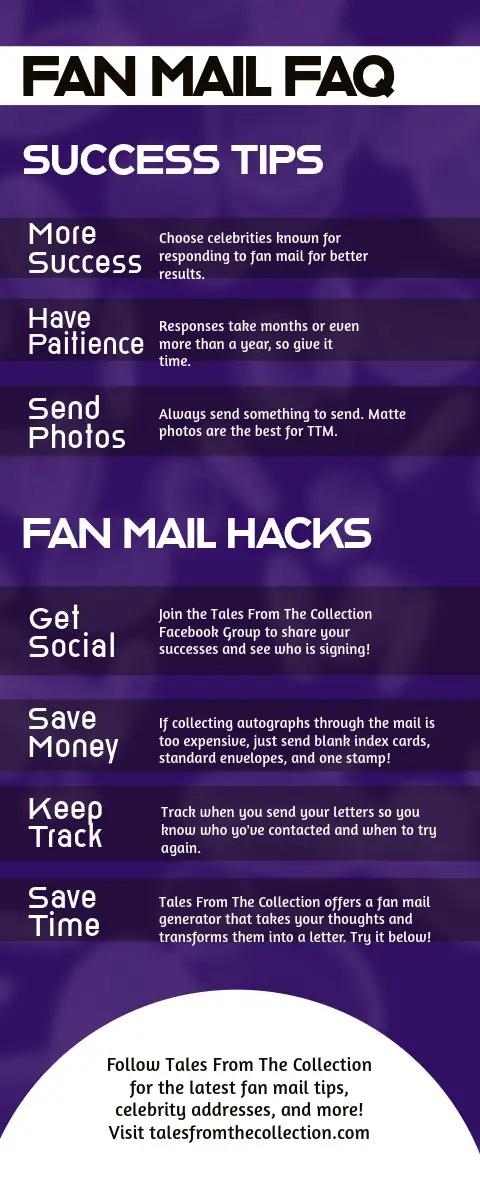
If you’re a fan of Jimmy Smith, sending fan mail is a great way to connect and share your reasons for supporting them. When sending fan mail, it’s best to include a self-addressed stamped envelope to increase the chances of receiving a reply. You can expect various types of responses, ranging from autographs to handwritten messages.
For those seeking autographs or sending fan mail, these recommended supplies from Amazon will help you get a response.
It’s also advisable to send something specific to be signed, such as a trading card or a photo from one of their projects that you like. This not only personalizes your request but also increases the likelihood of receiving an autographed item in return.
Essential Supplies for Through-the-Mail (TTM) Autograph Collectors
For collectors seeking autographs through mail, having the right materials to send and preserve your requests can significantly enhance your success rates. Below, you’ll find carefully selected products that cater specifically to the needs of TTM autograph collectors, ensuring your mailed requests stand out and remain secure.
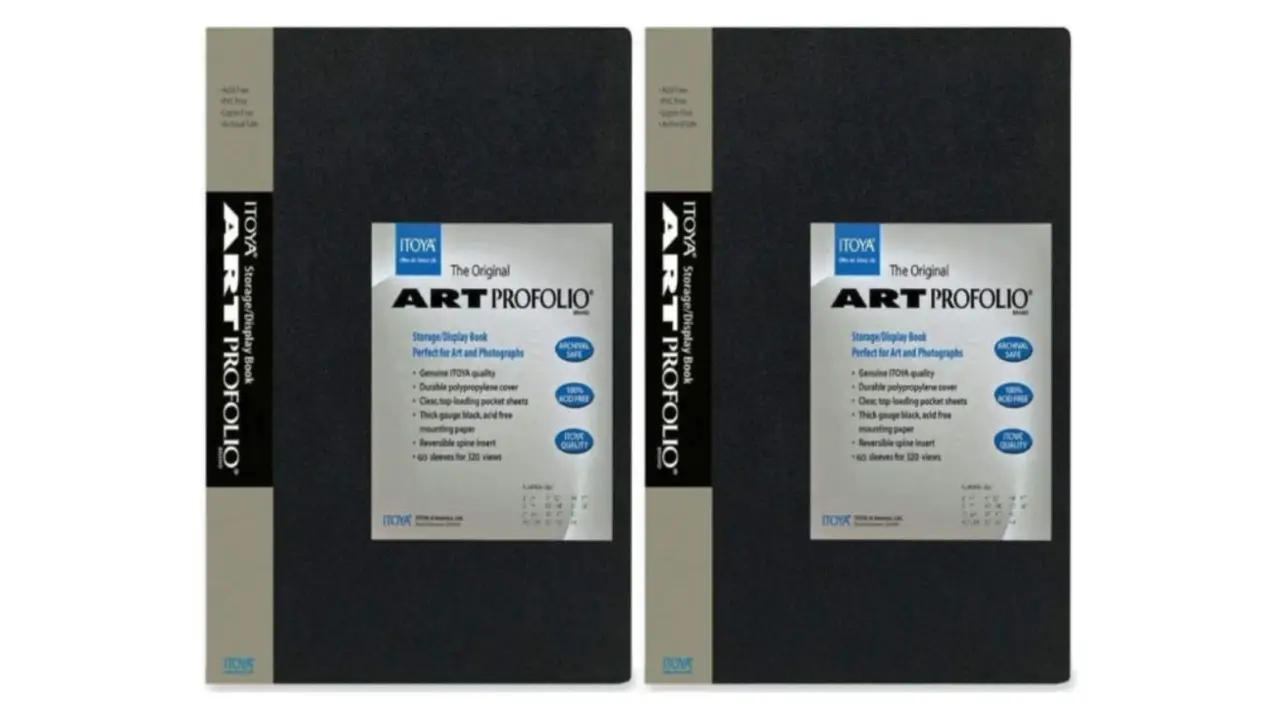
Itoya Art Portfolio – A top choice for preserving autographed items. Its archival-safe pages ensure your collection remains in mint condition.
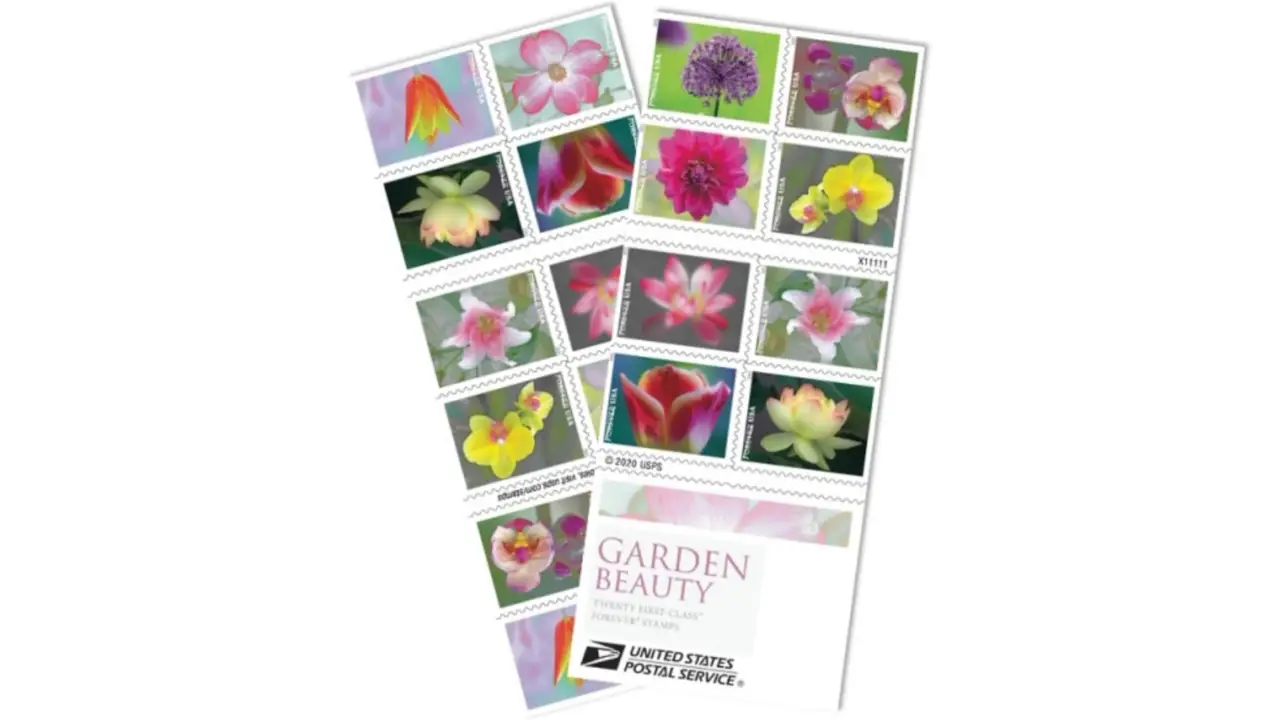
USPS Forever Stamps – Ideal for sending trading cards, index cards, or small photos for autographs within the U.S.

USPS Global Forever Stamps – Perfect for international TTM autograph requests.
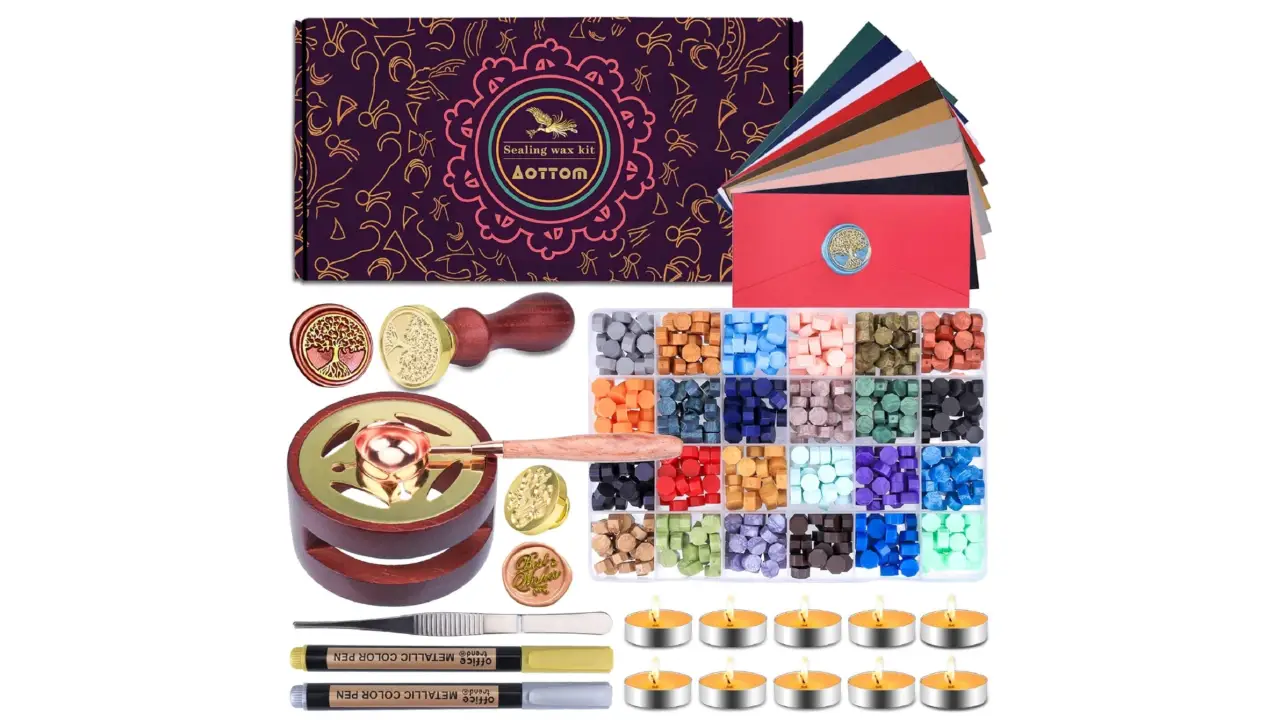
Wax Seal Kit – Adds a unique and personal touch to your TTM autograph requests.
If you are enjoying Tales From The Collection, please consider making a small donation to help keep the lights on.

Share this:

Discover more from Tales From The Collection
Subscribe to get the latest posts sent to your email.